
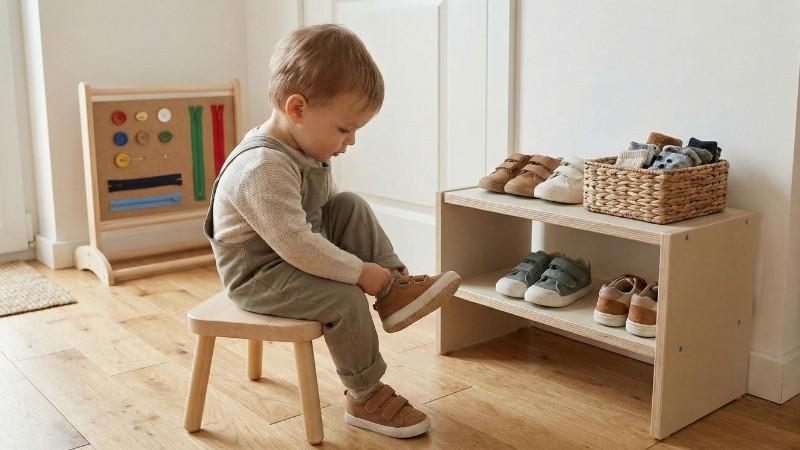
Have you noticed your toddler insisting, “Me do it!” when you’re trying to help them get dressed, eat breakfast or put their shoes on?
Although these moments can sometimes test your patience, they’re actually an exciting part of your child’s development.
As toddlers grow, they naturally begin wanting to do more things for themselves. From washing their hands to choosing their clothes, these everyday experiences help build confidence, independence and important life skills.
The good news? Helping your toddler become more independent doesn’t require expensive toys, complicated activities or a perfectly organised routine.
At Frances Childcare, we understand how important it is for young children to develop confidence and independence at their own pace.
Here are eight simple, practical ways to encourage toddler independence at home.
Why Is Independence Important for Toddlers?
Learning to do things independently helps toddlers develop essential skills that support their emotional, social and physical development.
When children are encouraged to try everyday tasks, they begin to:
- Build confidence in their abilities.
- Develop problem-solving and decision-making skills.
- Improve hand-eye coordination and fine motor skills.
- Learn patience and perseverance.
- Develop a sense of responsibility and achievement.
Independence is also an important part of the Early Years Foundation Stage (EYFS), particularly within Personal, Social and Emotional Development and Physical Development.
Remember, independence doesn’t mean expecting your toddler to manage everything alone. It means giving them appropriate opportunities to try, with your reassurance and support nearby.
8 Simple Ways to Encourage Toddler Independence at Home
1. Let Your Toddler Practise Getting Dressed
Getting dressed is an excellent opportunity to develop coordination, confidence and self-help skills.
Start with manageable tasks, such as pulling up trousers, putting on socks or choosing between two outfits.
Try this: Lay out two suitable outfits and ask, “Would you like the blue jumper or the green one?”
Giving limited choices helps toddlers practise making decisions without feeling overwhelmed.
2. Encourage Independent Eating
Mealtimes provide wonderful opportunities for toddlers to develop independence.
Allow your child to practise using a spoon, drinking from an appropriate cup and feeding themselves.
Yes, things might get messy, but spills are a normal part of learning!
Try this: Offer toddler-friendly cutlery and give your child enough time to practise eating independently.
Always supervise meals and prepare food safely to reduce choking risks.
3. Make Handwashing Part of the Daily Routine
Learning to wash their hands is a valuable self-care skill.
Encourage your toddler to participate in simple steps, such as turning on a safely controlled tap, rubbing their hands with soap and drying them with a towel.
Try this: Sing a short handwashing song together while helping your child wash thoroughly.
Provide a stable step stool if needed, and supervise water temperature and access to taps.
4. Give Your Toddler Small Household Jobs
Toddlers often love copying adults and feeling included in everyday activities.
Simple household tasks can help children develop responsibility and a sense of belonging.
Age-appropriate examples include putting toys into a basket, placing clothes in the laundry or helping wipe a table.
Try this: Turn tidying up into a fun game by asking, “Can you find all the red toys and put them away?”
Focus on participation rather than getting everything perfect.
5. Encourage Your Child to Make Simple Choices
Making decisions helps toddlers develop confidence and understand their preferences.
Start with two acceptable options rather than asking open-ended questions.
For example:
- “Would you like an apple or a banana?”
- “Shall we read the animal book or the bedtime story?”
- “Would you like to play with blocks or crayons?”
Small decisions give children a sense of control while allowing parents to maintain appropriate boundaries.
6. Allow Time for Problem-Solving
When your toddler struggles with a puzzle or tries to fit a toy into a container, it’s natural to want to help immediately.
However, allowing a little time to experiment can support independent thinking.
Try this: Instead of providing the answer straight away, ask, “What else could we try?”
Offer encouragement and step in when your child needs support or becomes overwhelmed.
The goal is to make learning enjoyable, not frustrating.
7. Create a Toddler-Friendly Environment
A safe, accessible home environment makes it easier for children to practise independence.
Consider placing frequently used toys on low shelves, keeping books within reach and providing suitable child-sized equipment.
Try this: Create a small play area where your toddler can safely choose and put away their own toys.
Keep medicines, cleaning products, sharp objects and other hazards securely out of reach.
8. Celebrate Effort, Not Just Success
Developing independence takes time, and toddlers won’t always get things right on their first attempt.
Rather than focusing only on completing a task, recognise their effort.
You might say:
“You’re working really hard to put your shoes on!”
Or:
“You kept trying, even when that was tricky.”
Specific, encouraging feedback helps children feel supported and willing to try again.
How the EYFS Supports Independence in Early Childhood
The Early Years Foundation Stage recognises the importance of helping children become confident, capable learners.
Through everyday routines, play-based learning and positive relationships, early years practitioners can support children in developing self-care, communication and decision-making skills.
For parents considering a childminder in Gravesend, understanding how independence is encouraged in early years settings can help when choosing suitable childcare.
Whether you’re exploring childcare in Northfleet, childcare in Swanscombe or a local childminding service, it’s worth asking how children are supported to develop practical skills at their own pace.
What If My Toddler Isn’t Ready to Do Things Independently?
Every child develops differently.
Some toddlers enjoy trying everything themselves, while others prefer more reassurance and assistance.
Both responses are normal.
Avoid comparing your child with siblings, friends or other children of the same age.
Instead, focus on small, achievable steps and offer support when needed.
If you have concerns about your child’s development, your health visitor or GP can provide advice and guidance.
Most importantly, remember that becoming independent is a gradual process, not a race.
Final Thoughts: Little Steps Build Big Confidence
Helping your toddler become more independent doesn’t mean expecting them to grow up too quickly.
It’s about giving them opportunities to explore, practise new skills and discover what they’re capable of doing.
Whether they’re learning to put on their shoes, tidy away toys or wash their hands, every small achievement deserves encouragement.
With patience, consistency and plenty of reassurance, you can help your toddler build the confidence they need for their next stage of development.