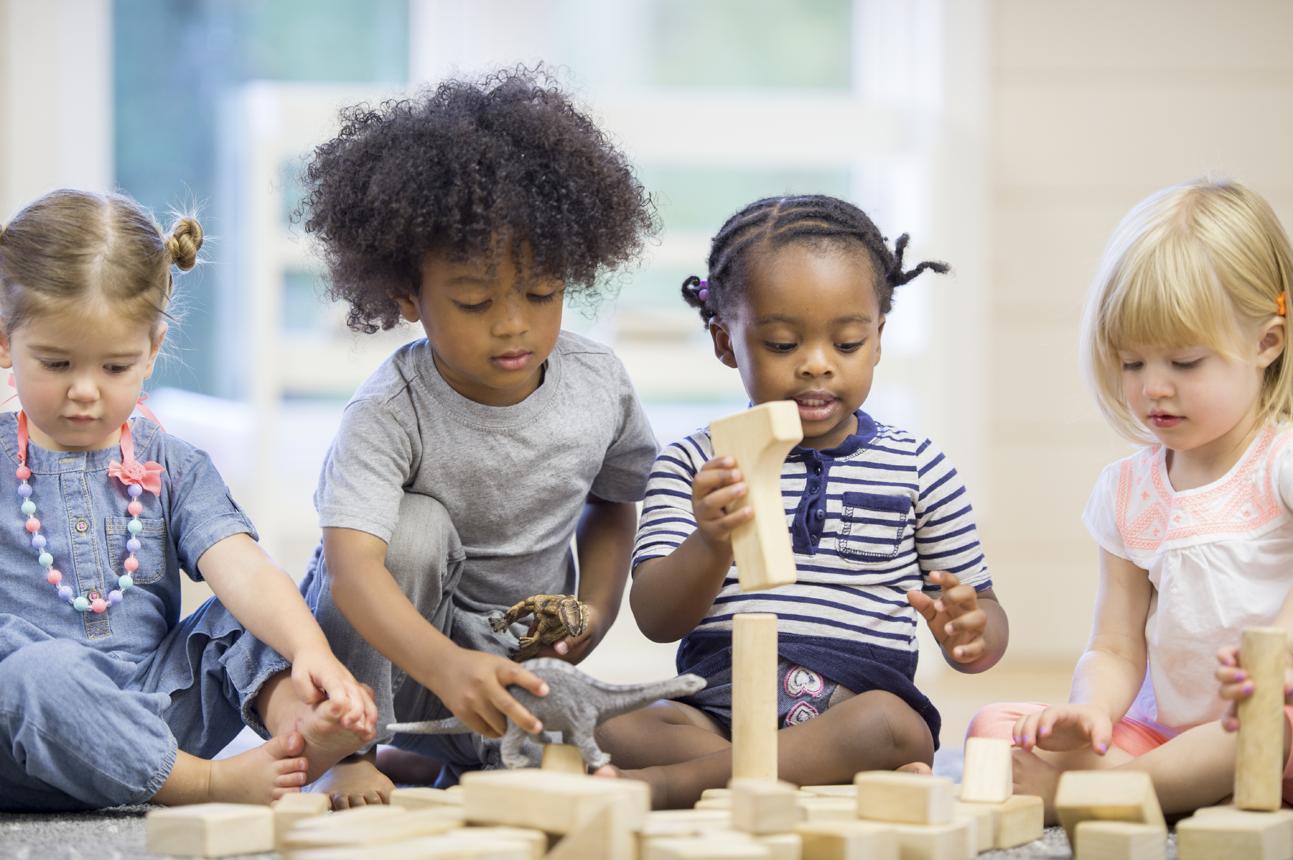
Have you ever watched your little one spend ages stacking blocks, pretending to cook dinner or splashing happily in a puddle? To adults, these activities might seem like simple fun. But for young children, play is one of the most important ways they learn about the world around them.
From developing language and problem-solving skills to building confidence and friendships, play supports almost every aspect of a child’s early development.
At Frances Childcare, we recognise the importance of learning through play and the value of giving children opportunities to explore, discover and grow.
Whether you’re a parent in Gravesend, Northfleet or Swanscombe, understanding the benefits of play can help you support your child’s learning both at home and in childcare.
What Is Learning Through Play?
Learning through play is exactly what it sounds like: children developing new skills and understanding through enjoyable, meaningful activities.
Rather than relying entirely on formal lessons, young children learn naturally by exploring, experimenting, imagining and interacting with others.
For example:
- Building a tower with blocks develops coordination, concentration and problem-solving skills.
- Playing with toy animals encourages imagination, storytelling and language development.
- Sorting colourful objects introduces early mathematical concepts.
- Playing outdoors helps develop balance, coordination and physical confidence.
The wonderful thing about play-based learning is that children are often learning without even realising it!
5 Important Benefits of Play for Young Children
1. Play Supports Language and Communication
Children develop communication skills through everyday conversations, songs, stories and imaginative games.
When children pretend to run a shop or prepare a meal, they practise using words, expressing ideas and listening to others.
Try this at home: Set up a pretend café using toy cups, plates and everyday household items. Encourage your child to take orders, describe food and chat with their customers.
2. Play Encourages Creativity and Imagination
Imaginative play allows children to explore different situations, express their feelings and develop creative thinking.
A cardboard box might become a rocket, a castle or a cosy home for teddy bears.
These simple experiences encourage children to think independently and explore new possibilities.
Try this at home: Provide a selection of safe household materials, such as cardboard boxes, fabric scraps and large paper tubes. Let your child decide what to create rather than giving them detailed instructions.
3. Play Builds Social and Emotional Skills
Playing alongside and with other children provides opportunities to develop friendships, recognise emotions and practise sharing.
Young children are still learning how to take turns, manage disappointment and communicate their feelings.
With patient adult guidance, play helps them develop these important skills over time.
Try this at home: Play simple turn-taking games, such as rolling a ball backwards and forwards. Praise your child’s efforts and gently help them understand when it’s someone else’s turn.
4. Play Develops Physical Skills
Physical play supports the development of both gross motor skills (larger movements) and fine motor skills (smaller, controlled movements).
Running, climbing and dancing help children develop strength, balance and coordination.
Meanwhile, drawing, threading large beads and playing with dough help strengthen the small muscles needed for everyday tasks.
Try this at home: Create a simple indoor obstacle course using cushions and soft toys. Encourage your child to crawl, step over objects and practise balancing, with appropriate supervision.
5. Play Encourages Problem-Solving and Independence
When children complete puzzles, experiment with building blocks or work out how toys fit together, they practise thinking and problem-solving.
Sometimes things don’t go to plan. A tower falls over, or a puzzle piece doesn’t fit.
These moments provide valuable opportunities to develop patience, persistence and confidence.
Try this at home: Give your child age-appropriate puzzles or building materials. Instead of immediately solving a problem, ask gentle questions such as, “What could we try next?”
Why Play Matters in the Early Years Foundation Stage (EYFS)
In England, the Early Years Foundation Stage (EYFS) provides the framework for children’s learning, development and care from birth to five years old.
Play is central to effective early years education.
The EYFS recognises that children learn through playing and exploring, active learning, and creating and thinking critically.
These are known as the characteristics of effective teaching and learning.
Through a combination of child-initiated play, adult-guided activities and positive interactions, early years providers can support children’s development across the seven areas of learning.
For parents exploring childcare in Northfleet, childcare in Swanscombe or a childminder in Gravesend, understanding the EYFS can help you recognise the value of a nurturing, play-rich environment.
5 Easy Play-Based Learning Activities to Try at Home
You don’t need expensive educational toys or complicated activities to support your child’s development.
Here are five affordable ideas:
- Nature treasure hunt: Explore your garden or local park and look for leaves, flowers, stones and different colours. Talk about what you discover.
- Water play: Provide cups, spoons and containers for supervised pouring and filling activities. This encourages coordination and early mathematical understanding.
- Storytelling with toys: Use favourite teddy bears or toy animals to create simple stories together.
- Playdough fun: Encourage rolling, squeezing and shaping to strengthen fine motor skills and spark creativity.
- Music and movement: Sing nursery rhymes, clap rhythms and dance together to support language, listening and coordination.
Always choose activities suitable for your child’s age and abilities, supervise appropriately and avoid small objects that could present a choking hazard.
How Much Playtime Do Young Children Need?
There isn’t a single amount of playtime that suits every child.
What matters is providing regular opportunities for enjoyable, varied and age-appropriate play throughout the day.
A healthy balance might include outdoor exploration, imaginative activities, physical movement, quiet play and shared time with adults.
Children also benefit from having opportunities to choose their own activities and explore at their own pace.
Remember, play doesn’t always need to be organised or educational-looking. Sometimes the simplest activities offer the richest learning experiences.
Helping Your Child Learn, Play and Grow
Play is much more than entertainment. It helps children develop communication skills, creativity, confidence, independence and an understanding of the world.
As a parent, one of the most valuable things you can do is make time to play, follow your child’s interests and celebrate their discoveries.
Every child develops at their own pace, and learning should feel enjoyable rather than pressured.